




Inside the Leonid Afremov Studio
How the Afremov Studio Brand Was Born
Hello friends. My name is Dmitry Afremov. I am the son of artist Leonid Afremov. Together with my father, we sold paintings from May 17, 1990 until August 19, 2019 — the day my father passed away in Playa del Carmen, Mexico.
Soon it will be seven years since that happened. Yet despite this, the Afremov brand continues to live on. We still sell paintings, people around the world continue to recognize my father’s style, and the name Afremov has become much more than simply the surname of an artist.
How did all of this begin?
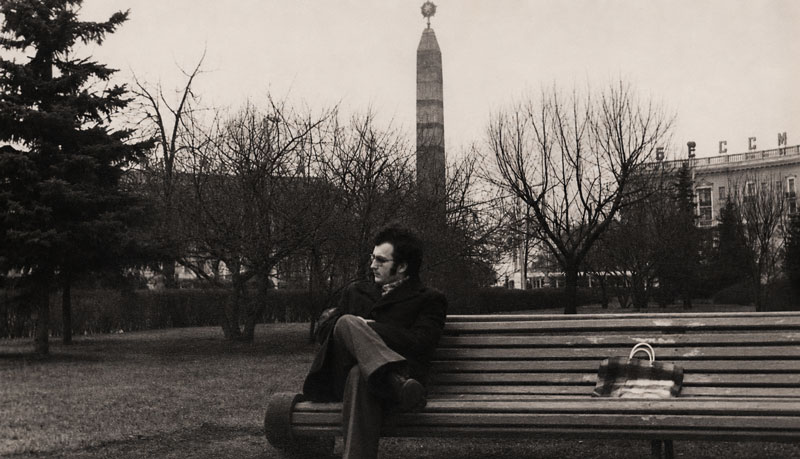
How did Leonid Afremov — a simple artist — eventually become an international artistic brand? A company built around art, emotion, color, and a recognizable visual style. Maybe not on the same financial level as Rolex or Cartier, but the principle became similar: the name itself became associated with a unique style, emotion, and artistic identity.
And the most interesting part is that nobody originally planned to create a “brand.” There were no marketers, no business plans, and no major investments. Everything started with a man who simply loved painting in his own way and saw the world in bright colors.
I remember our very first outdoor exhibitions in Israel. I was around 12 years old at the time. I already spoke a little Hebrew and helped my father sell paintings. Back then he was only beginning to seriously develop as an artist.
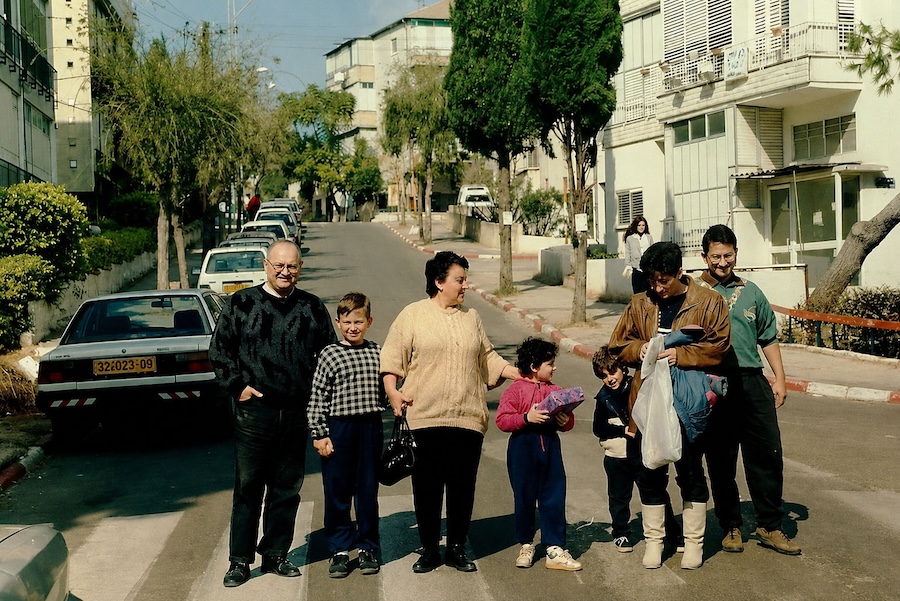
If you compare those early paintings to what came later, the difference is enormous. I will share photographs from that period so you can see how everything started and what it eventually became.
But it was during those years that what would later become the “Afremov style” first began to appear.
My father quickly realized one important thing: he wanted to be an artist. Not an architect, not a programmer, not an engineer. He wanted to paint. It was not simply a hobby or a way to make money. It was his natural state. He painted constantly — every free moment he had.
Over time, he began to understand what truly touched people emotionally. He realized that people did not stop in front of academically “correct” paintings. They stopped in front of paintings filled with life, light, color, and atmosphere.
My father was not a businessman. He was an artist.
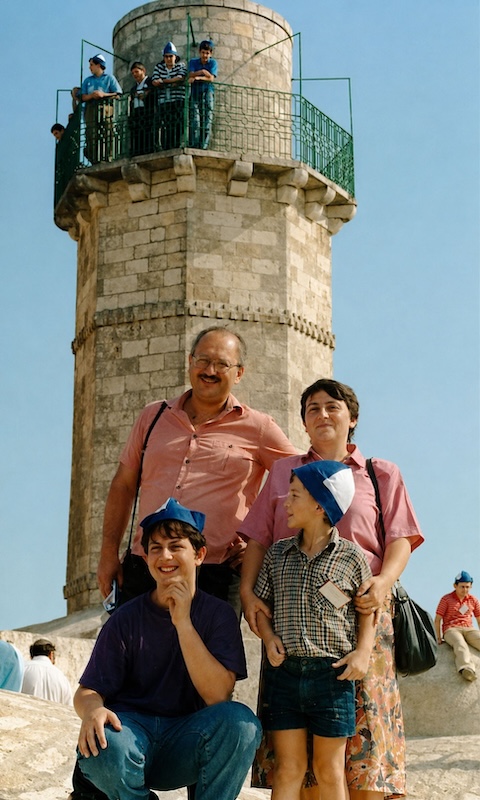
Everything developed very slowly. After the outdoor exhibitions came another period that is difficult to even imagine today. We began selling paintings door-to-door.
My father and I walked through neighborhoods, knocked on doors, and said:
“Hello, we sell paintings.”
To be honest, I was usually the one speaking. My father often stood quietly beside me carrying the paintings. I would point to him and say:
“This is the artist.”
It was a strange but fascinating time. I was still very young and could never have imagined that all of this would eventually become something much bigger. To me, it was simply life. My father painted, and together we tried to sell the paintings.
But during those years, the visual language that would later become internationally recognizable slowly began to form.
About ten years later, my father began seriously developing his palette knife technique. Many people ask why he chose the palette knife instead of brushes.
The answer was simple. The palette knife allowed him to preserve pure color.
A brush almost always mixes the paint. The colors become slightly darker, less vibrant, less alive. But the palette knife allowed him to apply color cleanly, brightly, and with texture. That was exactly what my father was searching for — true, pure color.
He became obsessed with color. He wanted the paintings to glow. He wanted people to feel light, air, reflections, rain, music, and emotion. The palette knife ultimately allowed him to develop the style that people would later recognize instantly.
In 2001, we moved from Israel to the United States. It was a major risk. My father hoped to work with galleries and large art dealers in America.
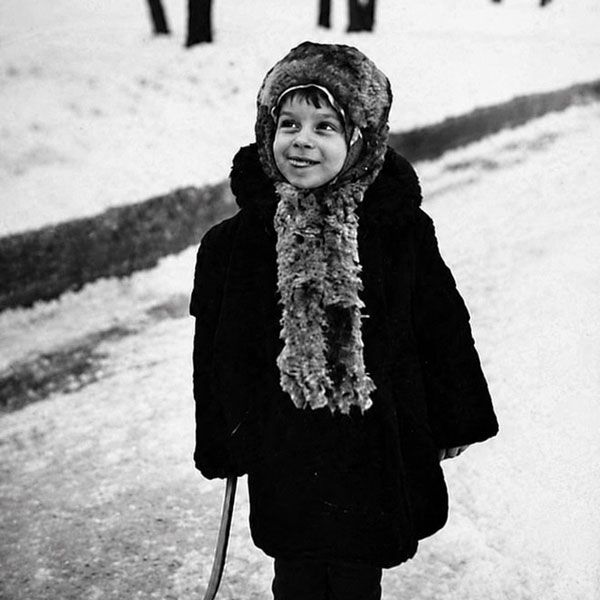
But once we arrived, we quickly understood a simple reality: nobody really needed you.
Working with art dealers became disappointing very quickly. It felt like constantly trying to impress someone, trying to prove yourself, trying to ask for attention. Most dealers wanted to pay as little as possible.
But even that was not the worst part.
The hardest thing was that we had no idea what ordinary people actually liked.
Did people enjoy the painting?
Did they dislike it?
Which colors attracted them?
Which scenes created emotion?
Everything was decided by gallery owners and middlemen.
So we decided to try selling paintings ourselves.
That was the beginning of our internet story.
In 2002, we opened our first eBay store. At the time, eBay itself was only beginning to grow, and for us it felt like an entirely new world.
And this was where my father truly blossomed as an artist.
For the first time in his life, he could directly see feedback from real buyers. People wrote:
“We love it.”
“These colors are incredible.”
“The painting feels alive.”
“The light is amazing.”
Most importantly, my father finally saw the real person standing on the other side of the painting.
After opening our eBay store, we never again sold paintings through galleries. We stopped working with dealers, stopped organizing exhibitions, and essentially became one of the first true internet artists.
I often say “we” because we truly built everything together. My father painted while I handled the internet side — listing paintings, answering customers, reading reviews. Together we analyzed what people loved, which scenes created emotion, and which colors connected most strongly.
The internet allowed us to build a direct relationship between the artist and ordinary people.
At some point, we understood something very important: our paintings would never become ultra-expensive luxury objects.
Our customer was always the ordinary person. Middle-class families, sometimes even people without much money. We were never interested in focusing only on wealthy collectors or elite galleries.
My father had a completely different philosophy.
He wanted his paintings to hang in ordinary homes. He wanted someone to come home after work, look at the painting, and feel warmth, light, and emotion.
